Escalating Cyber Threats and Compliance Mandates in the GCC: Lessons from October 2026
October 2026 marked a pivotal shift in the cybersecurity and regulatory compliance landscape across the GCC. As global threats escalate, increasingly powered by AI, national authorities are imposing stricter standards to…

October 2026 marked a pivotal shift in the cybersecurity and regulatory compliance landscape across the GCC. As global threats escalate, increasingly powered by AI, national authorities are imposing stricter standards to safeguard data and digital infrastructure. These developments present not only challenges but also significant opportunities for organizations to bolster their digital resilience and adopt best practices.
News of the Week
- GCC Cybersecurity Forum 2026 in Tabuk Focuses on Data Protection: The city of Tabuk hosted a forum bringing together experts to discuss digital protection mechanisms and exchange experiences in confronting escalating cyber threats (Event World and Tabuk University, October 28, 2026).
- "Black October" 2026: Critical PHP Vulnerabilities and AI Threats Raise Global Concerns: October saw a significant escalation in global cyber threats, including two critical PHP vulnerabilities affecting millions of websites, and the growing role of AI in discovering vulnerabilities and executing attacks at an unprecedented pace (Xage Security, October 27, 2026).
- UAE Cybersecurity Council Thwarts 750,000 Attack Attempts: The Council announced it countered approximately 750,000 cyberattack attempts targeting vital sectors like energy and education, highlighting the high-threat environment in the region (Al Khaleej newspaper, October 26, 2026).
- Saudi National Cybersecurity Authority (NCA) Mandates Private Sector Compliance in 2026: As of 2026, compliance with NCA frameworks became mandatory for private sector entities of all sizes in Saudi Arabia, with fines up to SAR 25 million for non-compliance (Out2Sol Global, October 26, 2026).
- Saudi Data and AI Authority (SDAIA) Consults on Extensive Amendments to Personal Data Protection Law (PDPL) Executive Regulations: SDAIA published draft amendments for public consultation, including explicit data localization requirements and stricter data breach notification obligations (Pinsent Masons, October 19, 2026).
AI, Compliance, and Cyber Fortification: A Field Report
In today's digital world, cyber threats and regulatory requirements are intricately intertwined. What we observed in the news from October 2026 confirms that security is no longer a luxury but the foundation of business continuity and legal compliance. For business owners and tech managers in the GCC, these are not just headlines but a call for urgent strategic decisions.
1. Confronting Escalating Global Threats: Lessons from "Black October"
"Black October" indicates that cyber threats have become more sophisticated and rapid. Critical vulnerabilities in PHP, which powers millions of websites, underscore that any component in your infrastructure can be a crucial weak point. More alarming is the growing role of AI in discovering vulnerabilities and executing attacks, meaning attackers possess tools previously unavailable. This necessitates organizations adopting an advanced defensive approach.
What this means for your business:
- Immediate System Updates: If your systems rely on PHP, applying security updates is not an option but an absolute necessity. You must have a team or a technical partner capable of assessing these risks and applying fixes promptly.
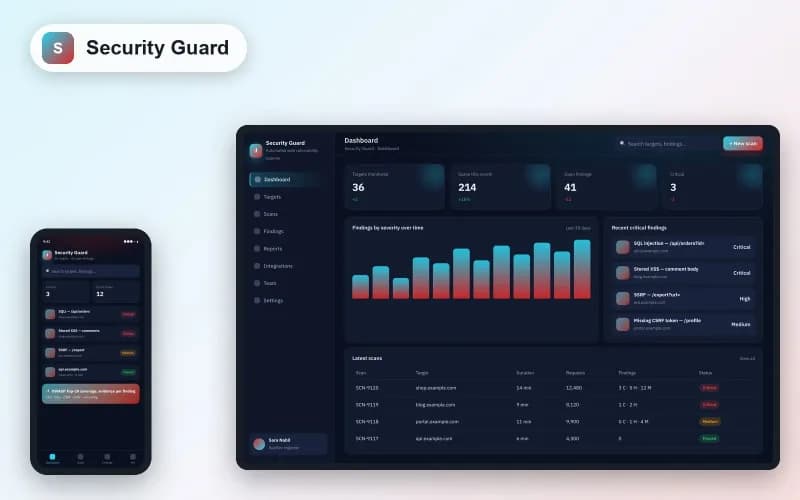
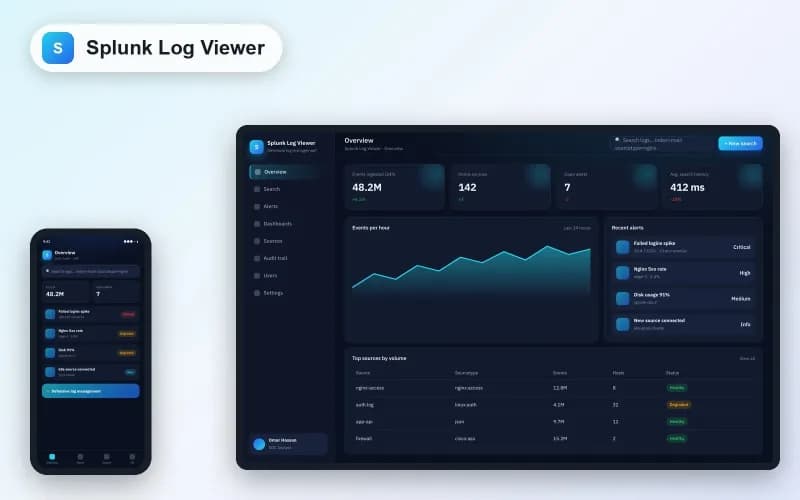
- Investment in AI-Powered Security: Traditional security solutions are no longer sufficient. You should seek cybersecurity solutions that leverage AI to detect unknown threats and predict attacks. In platforms like Security Guard Scanner or Splunk Log Viewer, we can see how advanced analytics can provide crucial defensive insights.
- Training and Awareness: Attacks target not only systems but also the human element. The National Cybersecurity Awareness Exhibition in Riyadh (Arabian Business, October 23, 2026) emphasizes the importance of raising awareness among all employees.
2. Mandatory Compliance: A Paradigm Shift in Saudi Arabia
The decision by the Saudi National Cybersecurity Authority (NCA) to make compliance mandatory for the private sector (Out2Sol Global) represents a turning point. These are no longer mere recommendations but legal requirements with hefty fines reaching up to SAR 25 million. This places a significant burden on companies to ensure all their systems and procedures align with national frameworks.
Furthermore, this tightening is accompanied by a move towards clarifying obligations related to personal data protection. SDAIA's draft amendments to the PDPL (Pinsent Masons) emphasize data localization and strengthen data breach notification mechanisms. This requires companies to conduct a thorough review of their infrastructure and data processing policies.
"Compliance is no longer a tactical option; it is a strategic pillar for maintaining customer trust and avoiding penalties that could threaten a company's existence."
Practical steps towards compliance:
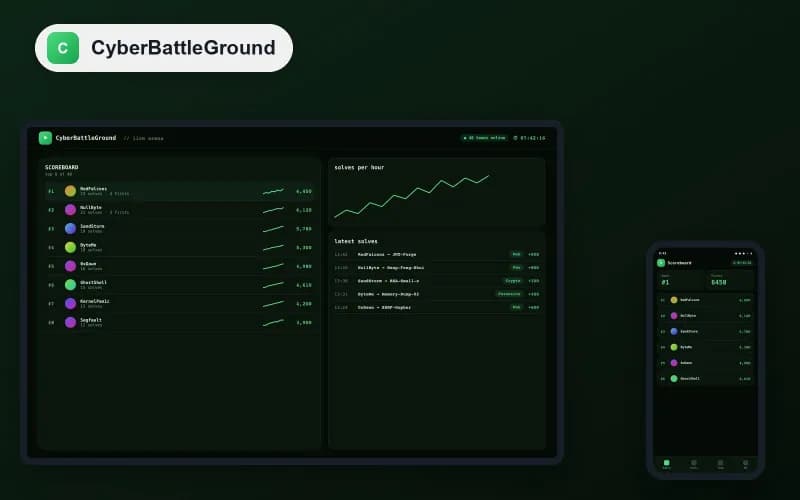
- Vulnerability and Compliance Assessment: Conduct a comprehensive assessment of all your systems and applications to ensure compliance with NCA frameworks and PDPL amendments. Solutions like CyberBattleGround can help train your teams to identify vulnerabilities before attackers exploit them.
- Data Localization: If your Saudi customer data is stored outside the Kingdom, you must seriously consider data localization solutions. This may require re-architecting your cloud infrastructure.
- Breach Notification Mechanisms: You must have a clear and tested plan for handling data breaches and reporting them to regulatory authorities within specified timelines.
- Update Vendor Contracts: Ensure all your contracts with external service providers, especially cloud providers, include clear clauses on data protection and compliance with local laws.
3. Securing Edge Devices and Infrastructure
The global campaign targeting firewalls and VPNs, which affected 12.7% of victims in the MENA region (The Hacker News, October 23, 2026), highlights a critical vulnerability. Edge devices, often considered the first line of defense, have become a primary target for attackers. This demands a comprehensive approach to network security that goes beyond merely installing firewalls.
Crucial measures:
- Network Security Review: Conduct a thorough review of all your edge devices and VPNs. Are they updated with the latest security patches? Have recommended configurations been applied?
- Multi-Factor Authentication (MFA): MFA should be mandatory for all remote access, especially for system administrators.
- Log Monitoring and Analysis: Utilize systems to continuously monitor and analyze logs to detect any suspicious activities. In environments like Splunk Log Viewer, logs can be archived, searched, and security investigation results stored efficiently.
Practical Recommendation: Invest in Digital Resilience as a Strategic Asset
Given the challenges highlighted by the October 2026 news, investing in cybersecurity and compliance is no longer an operational cost but a strategic investment in your business continuity and reputation. Start with a comprehensive assessment of your current posture, then develop an action plan that includes technical updates, continuous employee training, and partnership with cybersecurity experts to ensure your organization remains at the forefront of digital defense.
At Smart Lead Tech, we see these challenges as an opportunity to build robust and secure software solutions. Through data extraction platforms like SLT OCR that comply with KYC and PDPL requirements, or network security tools, we aim to empower our clients to focus on innovation with confidence, knowing their digital assets are fully protected.